
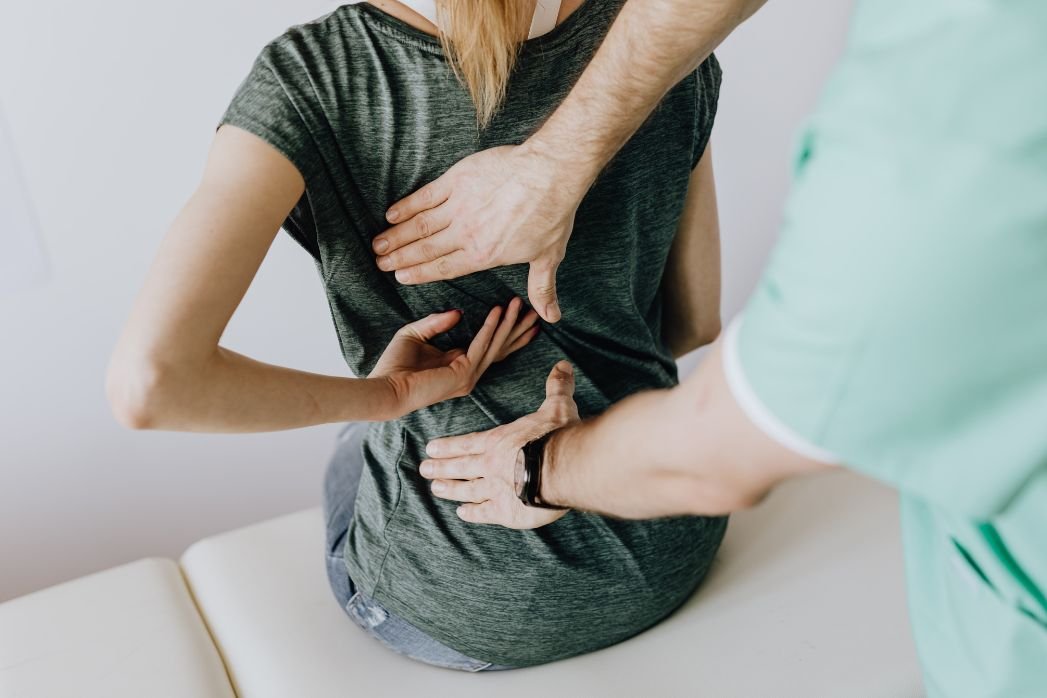
Back pain transforms simple acts of sitting up from a chair, picking up a bag, and spending the day working into painful experiences. Although there are times when pain resolves on its own, the persistent experience should not be simply left ignored.
Effective Lower Back Pain Treatment involves assessing and understanding any factors that might be causing the pain, its impact on mobility and what is required of the person to resume normal life once more. This can be achieved through physiotherapy, which integrates an assessment of factors involved, mobility and exercise in addition to periods of rest. At Strength Clinic, our exercise professionals help individuals at various age groups and physical ability levels to live healthier lives.
What Could Be Causing Your Lower Back Pain?
There are a number of causes for lower back pain, and therefore treatment cannot be done using a cookie-cutter method.
- Irritation of muscles or joints: Activities that create repetitive loads on the body can result in irritation of tissue in the lower back.
- Decreased mobility: Decreased range of motion in the hips, lower back and nearby regions can have an effect on movement.
- Nerve irritation: Symptoms in the buttocks or legs can occasionally mean that there is a nerve involved.
- Lifestyle issues: Sitting, being sedentary or suddenly increasing the amount of exercise one does can all be causes of back problems.
The identification of potential causes allows one to figure out which exercises are appropriate.
How Can Physiotherapy Help?
Physiotherapy for Lower Back Pain can be designed around enhancing movement in conjunction with rebuilding strength and confidence through the process.
- Assessment: Assessing signs and symptoms, movement and functional impairment.
- Exercise therapy: Using exercises to improve movement and strengthen the body.
- Movement education: Teaching you how to alter your painful movements.
- Progressive Loading: Challenging your body progressively based on your increasing tolerance.
For example, a person suffering from back pain due to increased exercise at the gym may consider changing their load of exercise without stopping altogether.
When Should You Seek Professional Help?
Although some back pain may resolve on its own, any that persist or worsen should be considered more seriously.
- Pain that persists or keeps coming back may need an evaluation.
- If symptoms persist despite modifying your activities, seeking Back Pain Treatment Cremorne services may help identify suitable next steps.
- Any weakness, extreme numbness, or pain radiating down the leg should be assessed.
- Pain that arises as a result of any major trauma must also be evaluated.
- If changes to one’s bladder or bowels arise in conjunction with back or leg pain, then medical attention is immediately necessary.
Professional evaluation could help decide on the best course of action.
Building a Practical Recovery Plan
A program for recovery should take into account your symptoms, your way of life, and your objectives. Move enough during the day instead of being inactive, while simultaneously building up your core strength and physical capabilities. Select an exercise that is suitable for you, depending on your condition, and then progressively increase its difficulty according to your symptoms. For people looking for Lower Back Pain Physiotherapy in Chatswood, an individualised exercise plan can help match treatment to current strength and mobility.
Finding the Right Support
In selecting the best practitioner, you have to consider factors other than the location. These include experience, evaluation methods and suitability of the treatment technique used.
Physiotherapist in Neutral Bay practitioners must understand your symptoms, lifestyle and movement objectives in order to achieve the desired results. Strength Clinic works in collaboration with general practitioners and specialists in addition to treating eligible patients through WorkCover, DVA, NDIS and Medicare programs.
FAQs
Q1. Should I take rest when I have low back pain?
No always. Appropriate physical activity is generally better than long periods of rest but should be tailored to the symptoms.
Q2. Can exercise increase my low back pain?
Incorrectly chosen or excessive exercise may worsen your symptoms. Exercises should be appropriate for you and increased progressively.
Q3. How quickly will my lower back pain get better?
Depends on the reason and other factors. Recovery time cannot be predicted.
Q4. Does physical activity help with chronic lower back pain?
Physical activity may become a part of treatment for chronic lower back pain and can be guided by a physiotherapist Mosman based on individual needs.
Q5. When should I turn to professionals?
You should consider consultation in case you have persistent pain, recurrent pain, daily functioning limitations, or additional symptoms. A Lower Back Pain Physio in North Sydney can assess your symptoms and help determine an appropriate approach.
Conclusion
Backache in the lower back may affect movement, exercise, and daily activities; however, a proper procedure will assist in gradual recovery. Knowledge about the probable causes, maintaining an adequate level of activity and proper progress in exercising will contribute to building up strength and confidence. Lower Back Pain Treatment must be tailored according to your condition and requirements.
Take the Next Step Towards Better Movement
If low back pain is impacting your day-to-day life and fitness routine, then expert advice could assist you in getting clarity about the best possible action to be taken. Reach out to Strength Clinic by dialling +61 434842378.