
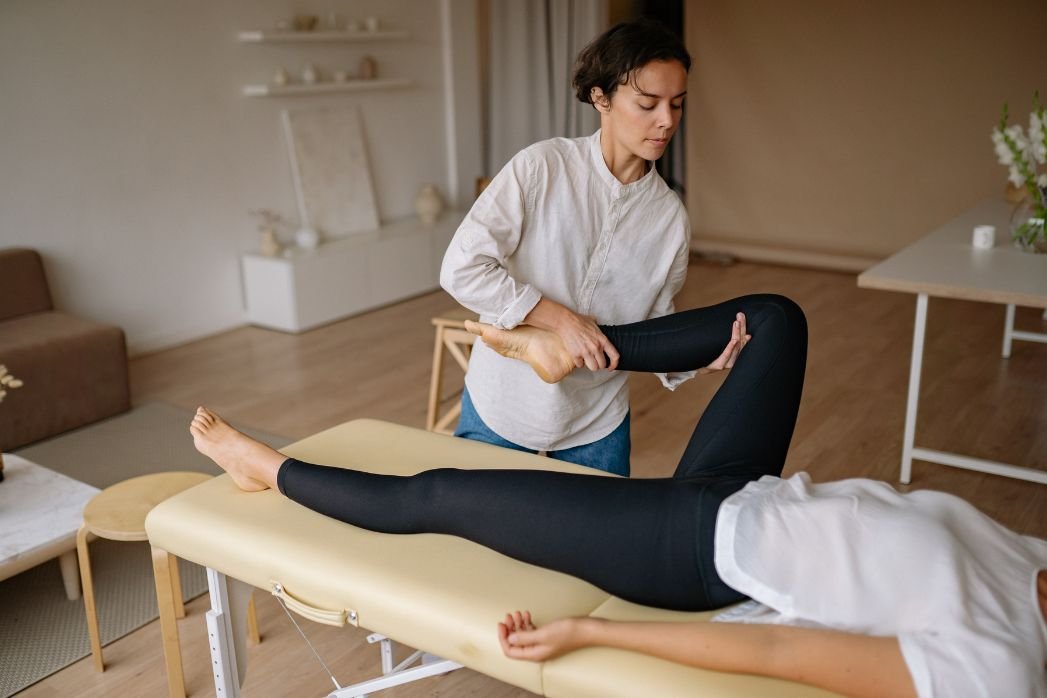
Running is a great exercise that’s easy and satisfying; however, because of the repetitive action of the sport, there is strain on the muscles, tendons, joints, and bones. No matter if you have been running for fitness or even participating in events, slight imbalances can lead to an injury if they’re not corrected.
Although many people feel that running should cause pain, it is usually an indication that there is a problem that requires treatment. The combination of exercise physiology and Work injury physiotherapy gives you an evidence-based solution to treat the injuries and improve your movement. At Strength Rehabilitation, we have helped countless patients regain their strength and mobility through our unique approach.
Common Running Injuries and Why They Happen
Injuries due to running do not happen suddenly but rather build up slowly because of repetitive stresses that are above what your body can withstand.
Common causes of running injuries are:
Over-training: Overly increasing the distance, speed, or intensity of training
Poor running mechanics: Using ineffective body movement
Weak muscles: Weak hip, glute, or core muscles
Inflexible muscles: Tight muscles resulting in poor running mechanics
Poor recovery: Lack of enough rest
Unsuitable footwear: Worn-out shoes
Runner’s knee, Achilles tendinopathy, shin splints, plantar fasciitis, IT band syndrome, and stress injuries are common types of injuries.
How Exercise Physiology Supports Recovery
Exercise physiology will do much more than just treat the symptom – in addition to finding the “why” behind the injury, it aims to improve strength and robustness of the entire body.
Elements of a customised exercise regimen might include:
- Building up weaker muscle groups
- Enhancing balance and stability
- Correcting running technique
- Mobility work for increasing range of motion
- Returning to running in a controlled manner
- Training load management to avoid overtraining
Instead of depending on rest only, proper exercise allows the tissues to safely adjust to increased demands and avoid further injury.
The Value of Combining Physiotherapy and Exercise Physiology
Rehabilitation is best achieved when a combination of techniques is used in concert.
Working with professionals can assist in:
- Analysing movement patterns causing injury.
- Decreasing pain by conducting proper manual therapy when needed.
- Increasing strength to facilitate recovery.
- Running more efficiently.
- Considering any lifestyle and occupational issues affecting healing.
- Educating runners on how to train in the future without hurting themselves.
Consulting a reputable Physiotherapist North Sydney along with an exercise physiologist will enable you to heal while addressing the cause of your problems at the same time.
A Real-World Recovery Example
Each runner’s recovery process is unique, but there are common trends in clinical practice.
Let’s take the following case as an example:
- A recreational runner who was preparing for a half-marathon increased his weekly distance by 30%.
- Soon after, pain in his knees when running and even walking developed.
- Weak hip muscles, inflexible ankles, and instability on one leg were diagnosed.
- Exercise protocol and gradual return to running were advised.
- Pain levels decreased, and running ability increased within weeks without symptoms recurring.
At Strength Rehabilitation, our clinic has helped more than 4,000 people with the above-mentioned injuries using an evidence-based approach. The aim is to restore confidence and functionality.
Preventing Running Injuries Before They Start
Prevention is better than a prolonged rehabilitation period.
Good practices that all runners must follow include the following:
- Gradually increase your weekly training load.
- Include at least two days of strength training per week.
- Take care of your sleep and recovery between difficult training sessions.
- Change old running shoes if needed.
- Always warm up before starting to run.
- Do not ignore chronic pains but rather address them.
- Get a movement assessment performed by a professional in case of recurring injuries.
Local runners will get good services from Physiotherapy Mosman for detecting any movement problems, as well as staying healthy for your runs.
Conclusion
Injuries that occur while running are generally due to several different factors, including training patterns, movement patterns, muscle imbalances, and poor recovery. It’s important to address these factors to obtain long-term recovery.
The integration of exercise physiology and Work injury physiotherapy provides for a safe rehabilitation process, improved movement patterns, and decreased risk of recurrence. Strength Rehabilitation is able to help you improve your movement patterns through its extensive experience working with more than 4,000 people.
FAQs
Q1. What about exercise physiology if there is no serious injury to worry about?
It is still helpful since exercise physiology can reveal potential weakness in movement and imbalances in muscles that could lead to injuries in the future.
Q2. Is it necessary to quit running if there is pain involved?
Not necessarily. Some symptoms could allow modification of the training program along with starting the rehabilitation process; however, some conditions may need professional evaluation.
Q3. How long would it take for recovery from a running injury?
Time for recovery depends on the type of injury, its severity, and when it starts being treated. In minor cases, recovery takes several weeks.
Q4. Is strength training essential for runners?
Definitely. It will increase stability, efficiency of running, and make the body resistant to injuries.
Q5. Does poor form cause injuries?
Of course, inefficient movement could put an extra load on certain tissues, causing an injury.
Contact Strength Rehabilitation
For anyone dealing with running pain that is interfering with their training or daily routine, a consultation from a professional can greatly increase your chance of success. Contact us today at +61 434842378. Reach out to Strength Rehabilitation for advice on your situation and a rehabilitation program tailored to you.